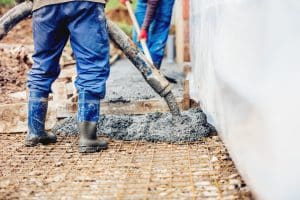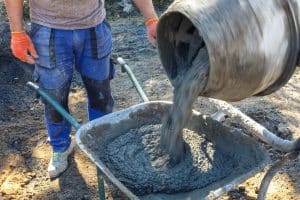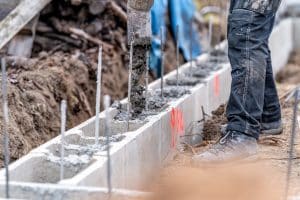
If you’re planning construction projects, one of the most important questions you’ll ask is: “How long will it take?” Whether you’re laying a new driveway, building a patio, or creating foundations for an extension, understanding concrete setting and curing times is crucial for planning your project properly..
The Difference Between Setting and Curing
Before we dive into timeframes, it’s essential to understand that setting and curing are two completely different processes, though people often mix them up when working with ready mix concrete.
Setting is when your concrete changes from a wet, workable mixture into something solid you can’t shape anymore. This happens quite quickly during any concrete pour—usually within a few hours.
Curing is the much longer process where concrete gradually becomes stronger and more durable. This involves maintaining moisture levels and proper temperature so the chemical reactions can continue. Most types of concrete reach nearly 100% of their design strength after 28 days.
Think of it like baking a cake. Setting is when the mixture stops being liquid and becomes solid (like when your cake sets in the oven), whilst curing is like letting it cool and develop its final texture and strength.
How Long Does Concrete Take to Set?
The setting process happens in stages on any construction site. Initial setting occurs in about 1-2 hours when concrete begins to harden but can still be worked with, followed by final setting at 4-6 hours when concrete is fully hardened and cannot be worked with.
During the first few hours after your concrete pour, this building material will go through these phases:
- 30-60 minutes: Concrete starts to stiffen but can still be smoothed and finished
- 1-2 hours: Initial set—concrete becomes too stiff for major changes
- 4-6 hours: Final set—concrete is solid and can’t be reshaped
The exact timing depends on several factors, including temperature, humidity, and the specific type of concrete mix design. On hot days, concrete sets faster, whilst cold weather slows everything down.
The Full Curing Process: 28 Days to Maximum Strength
Whilst your concrete might look solid after a few hours, the real strength development takes much longer. Days one through 14 are the most important because they account for 90% of its total strength. This building material won’t reach 100% strength for at least one to two years.
Here’s what happens during the curing process for ready mix concrete:
After 24 hours: Concrete reaches about 20-30% of its design strength and is hard enough for light foot traffic on your construction site.
After 7 days: Concrete reaches about 60-70% of its design strength. This is when most people in the construction industry consider it strong enough for normal use. You can drive on driveways and walkways at this point.
After 28 days: This type of concrete reaches nearly 100% of its design strength. This is considered the standard curing period for most construction projects.
The chemical process continues for months and even years after this, but the strength gains become very small after 28 days.
What Affects Curing Time?
Several factors can speed up or slow down how your ready mix concrete cures on any construction site:
Temperature
The best temperatures for curing concrete are between 4 and 15 degrees Celsius, though some experts recommend waiting for weather to warm up to 10 degrees. Concrete curing blankets can cure this building material 2.8 times faster than typical insulated blankets in cold weather.
In hot weather, concrete might seem to cure faster, but too much heat can actually weaken the final product. Cold weather slows everything down and can even stop the curing process if temperatures drop below freezing.
Moisture
Water is absolutely essential for proper curing. Ready mix concrete which is moist cured for 7 days is about 50% stronger than uncured concrete. If this building material dries out too quickly, the chemical reactions slow down or stop, leading to weaker concrete.
Mix Design
Different types of concrete cure at different rates. According to industry standards, standard Portland cement takes seven days to cure externally, whilst sulfate-resistant takes 10 days, high-strength takes 3-5 days, and low-heat Portland cement variants take 14 days.
The water-to-cement ratio also matters. More water makes concrete easier to work with when fresh but can make it weaker when cured. Our team at Base Concrete carefully balances these factors in every mix for construction projects.
Thickness
Thicker concrete sections take longer to cure completely. The chemical reactions generate heat, and thicker sections hold this heat longer, which can actually speed up early curing but may cause problems if not managed properly on your construction site.
Proper Curing Techniques for Construction Projects
Getting the best results from your ready mix concrete means helping it cure properly. Here are the main methods used in the construction industry:
Keeping It Moist
Always hose the concrete down with water during the first week, between 5 to 10 times a day. This is known as moist curing, which can help this building material become up to 50% stronger than regularly cured cement.
Covering and Protection
Keep the concrete covered during curing, especially if you can’t hose it down every few hours on your construction site. Use concrete curing blankets or inexpensive polyethylene sheeting to help keep moisture in.
Temperature Control
In cold weather, insulated blankets or heated enclosures help maintain proper curing temperatures. In hot weather, shading and regular watering prevent the concrete from drying out too quickly. This energy efficiency approach saves costs and improves results.
Common Timing Questions for Construction Projects
When Can I Walk on New Concrete?
A 4-inch concrete slab typically takes 24 to 48 hours to set enough for foot traffic on your construction site. However, be gentle—this building material is still gaining strength.
When Can I Drive on a New Driveway?
Ready mix concrete should cure for 7 days to handle vehicle traffic. This gives it enough strength to support car weight without damage.
When Is It Safe to Remove Forms?
For most construction projects, forms can be removed after 24-48 hours, but the concrete should still be protected and allowed to cure properly.
Weather Considerations for Construction Sites
Rainy Weather
You need at least 24 hours of dry weather for the slab to start curing properly, with two days without rain being optimal. Fresh concrete can be damaged by heavy rain, so covering is essential for any concrete pour.
Winter Construction Projects
Cold weather concrete requires special attention in the construction industry. The chemical reactions slow down significantly below 10°C, and can stop entirely if this building material freezes before gaining sufficient strength.
Hot Weather on Construction Sites
High temperatures speed up setting but can cause the surface to dry too quickly, leading to cracking and reduced strength. Frequent watering and shading help manage these conditions and improve energy efficiency.
Extreme Weather and Concrete Performance
When planning construction projects, it’s important to consider how extreme weather affects different types of concrete:
High Winds: Strong winds can remove moisture from the surface, causing uneven curing. This building material needs consistent moisture levels to develop properly.
Very Hot Days: Temperatures above 30°C can cause rapid moisture loss. Ready mix concrete pours during these conditions need extra protection and frequent watering.
Freezing Conditions: When temperatures drop below 0°C, the water in fresh concrete can freeze and expand, damaging the internal structure. Portland cement concrete is particularly vulnerable during the first 24 hours.
Why Choose Professional Concrete Services?
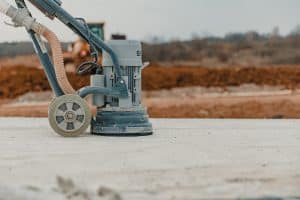
At Base Concrete, we understand that timing is everything in construction projects. Our ready mix concrete is carefully formulated to provide consistent performance across varying weather conditions in the construction industry.
We offer several delivery options to suit your construction site timeline:
- Mini Mix lorries for smaller projects with restricted access
- Standard 8-metre lorries for larger pours
- Volumetric mix-on-site lorries that let you take exactly what you need
For many construction projects, especially those with difficult access or where you need this building material in hard-to-reach places, our concrete pumping services can be incredibly helpful. Our line pumps can run up to 100 metres in length and can go through houses, up alleyways, or even be erected vertically when connecting to scaffolding. We also have a 24m boom pump with a crane arm that can reach over and around obstacles.
Our experienced team can advise on the best curing practices for your specific construction projects and local conditions. We’ve been serving customers across Hertfordshire and North London since 2002, and we understand how local weather patterns affect concrete performance.
Types of Concrete for Different Construction Projects
Understanding which type of concrete works best for your construction projects helps ensure proper curing:
Standard Portland Cement Concrete: The most common building material for driveways, paths, and foundations. This ready mix concrete offers reliable performance for most residential projects.
Reinforced Concrete: Contains steel bars or mesh to provide extra strength. This type of concrete is essential for structural elements like beams and columns in construction projects.
High-Strength Concrete: Cures faster but requires more careful moisture control. Often used in commercial construction projects where quick turnaround is needed.
Waterproof Concrete: Contains special additives to resist water penetration. This building material is perfect for basements and areas exposed to moisture.
The Science Behind Concrete Strength
The strength development in concrete comes from a chemical reaction called hydration. When Portland cement mixes with water, it forms crystal structures that bind everything together. This process is why maintaining adequate moisture and proper temperature is essential—without them, the chemical reactions can’t proceed properly.
According to the National Institute of Standards and Technology, proper curing maintains the correct temperature range and moisture conditions in concrete for hydration to develop its potential strength and durability.
This is why simply letting this building material “dry out” isn’t enough. Ready mix concrete needs water to continue the chemical reactions that create its strength. Cut off the water too early, and you’ll end up with weaker concrete that may crack or crumble over time.
Energy Efficiency and Sustainable Construction
Modern construction projects increasingly focus on energy efficiency and environmental impact. Proper curing techniques help achieve this:
Reduced Waste: Properly cured concrete lasts longer, reducing the need for repairs or replacement. This makes construction projects more sustainable.
Better Insulation: Well-cured concrete provides better thermal properties, improving the energy efficiency of buildings.
Lower Maintenance: Strong, properly cured concrete requires less maintenance over its lifetime, saving energy and resources in the construction industry.
Planning Your Construction Project Timeline
When planning construction projects, always build in proper curing time. Here’s a realistic timeline for most projects in the construction industry:
- Day 1: Concrete pour and initial set on your construction site
- Day 2-3: Light foot traffic possible with care
- Week 1: Normal use for most applications using this building material
- Month 1: Full design strength achieved
Remember, rushing the process rarely saves time in the long run. Properly cured ready mix concrete will last for decades with minimal maintenance, whilst poorly cured concrete may need repairs or replacement within just a few years.
Frequently Asked Questions
How long should I wait before walking on new concrete?
You can typically walk on this building material after 24-48 hours on your construction site, but be gentle. Ready mix concrete is still gaining strength during this period, so avoid heavy impacts or dragging objects across the surface.
Does concrete cure faster in hot weather?
Yes, higher temperatures speed up the chemical reactions in Portland cement concrete, but this isn’t necessarily good for construction projects. If this building material cures too quickly, it can become weaker and more prone to cracking. Proper moisture control is crucial in hot weather on any construction site.
Can I speed up concrete curing for my construction project?
There are accelerating admixtures that can speed up setting and early strength gain, but these should only be used when necessary and under professional guidance. The best approach for most construction projects is usually to plan for natural curing times and protect this building material properly.
What happens if it rains on fresh concrete during my concrete pour?
Light rain after the concrete has achieved initial set (4-6 hours) can actually help with curing by providing moisture. However, heavy rain on very fresh ready mix concrete can damage the surface and wash away cement paste. Always check the weather forecast and have covering materials ready for your construction site.