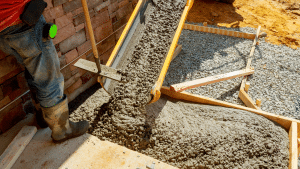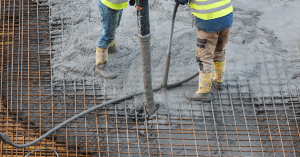
You’ve just had fresh concrete poured for your patio, driveway, or garden path. The surface looks dry and solid, but when can you actually walk on it without causing damage? This is one of the most common questions we get at Base Concrete, and the answer isn’t as straightforward as you might think.
The Golden Rule: Wait at Least 24 Hours
The short answer is simple: wait at least 24 hours before allowing foot traffic, including pets, on a newly poured sidewalk or slab. This isn’t just a rough guideline – it’s essential for protecting your investment and ensuring your concrete reaches its full strength potential.
However, waiting 24 hours is just the minimum. Although concrete is generally okay to bear the weight of light residential foot traffic after 24 hours, it’s often a good idea to give it a full 48 hours to cure and gain strength before exposing the slab to heavier foot traffic.
Why the Wait Matters
When concrete is first poured, it begins a chemical process called hydration. This is when the cement particles react with water to form crystals that bind everything together. This is the time when your concrete is the most vulnerable to damage because it is still wet under the surface. Any foot traffic before then, especially scuffing or twisting of your feet on the surface, can leave permanent marks.
Think of it like baking a cake – just because the top looks set doesn’t mean the inside is ready. Concrete works the same way. The surface might appear dry after just a few hours, but underneath, the curing process is still happening.
What Affects Curing Time?
Several factors influence how quickly your concrete will be ready for foot traffic:
Weather Conditions Weather conditions and the concrete mix design have the greatest impacts on curing time. Concrete cures best at air temperatures between 50° F and 80° F. In warmer weather, concrete will set faster, but if it’s too hot, it can dry out too quickly and become weak. Cold weather slows everything down significantly.
Concrete Mix Design Different types of concrete cure at different rates. Standard mixes take longer but provide better strength, while fast-setting mixes cure more quickly but may not be suitable for all projects. At Base Concrete, we’ll help you choose the right mix for your specific needs.
Thickness of the Pour Thicker concrete takes longer to cure completely. A thin patio slab will be ready for walking sooner than a thick foundation pour.
Humidity Levels High humidity helps concrete cure properly by preventing it from drying out too quickly. Low humidity can cause the surface to dry too fast, leading to cracks and weakness.
The Complete Curing Timeline
Understanding the full curing process helps you plan better:
First 24-48 Hours This is the critical period when the concrete is most vulnerable. Keep everyone and everything off the surface. Don’t drive a vehicle on a new driveway for at least 10 days.
First Week Concrete which is moist cured for 7 days is about 50% stronger than uncured concrete. Light foot traffic is fine after the first day or two, but avoid heavy loads or equipment.
28 Days Full curing takes about 28 days. This is when your concrete reaches its designed strength. Heavy vehicles and equipment can safely use the surface after this point.
How to Protect Your Fresh Concrete
Once your concrete is poured, proper care during the curing period is crucial:
Keep It Moist One of the most common methods for curing concrete is to hose it down frequently with water—five to 10 times per day, or as often as you can—for the first seven days. This helps the concrete cure properly and can make it up to 50% stronger.
Use Barriers Put up clear barriers or warning signs around fresh concrete. This prevents accidental damage from people, pets, or vehicles.
Avoid Shortcuts Don’t be tempted to walk on concrete that looks dry after just 12 hours. The surface of your concrete may look dry enough to walk on after only 12 hours, but don’t be tempted. A full 24 hours is the minimum required for most types of concrete.
Special Considerations for Different Projects
Driveways If you’re having a new driveway installed, plan alternative parking arrangements for at least 7-10 days. The wait is worth it for decades of reliable service.
Patios and Walkways These typically handle lighter loads, so the 24-48 hour rule usually applies. However, avoid moving heavy furniture or planters for at least a week.
Commercial Projects Larger commercial pours may require longer curing times due to their thickness and the loads they’ll eventually carry.
The Science Behind Concrete Strength
Concrete strength depends on the growth of crystals within the matrix of the concrete. These crystals grow from a reaction between Portland cement and water—a reaction known as hydration. This process needs time and the right conditions to work properly.
The hydration process is fascinating but complex. When cement mixes with water, it creates new chemical compounds that bind sand and gravel together into a rock-like material. This reaction generates heat and continues for weeks, with most of the strength developing in the first month. Research from the National Institute of Standards and Technology shows that proper curing techniques can significantly improve concrete’s long-term performance and durability.
How Base Concrete Can Help
At Base Concrete, we understand that waiting can be inconvenient, but we also know that proper curing is essential for long-lasting results. Our experienced team can provide specific guidance based on your project’s unique requirements.
We offer several services that can help ensure your concrete cures properly:
- Professional concrete pumping for hard-to-reach areas, minimising disruption to your property
- Ready mixed concrete delivered fresh to your site with the right mix for your specific needs
- Expert advice on curing techniques and protection methods
Our concrete pumps are particularly useful because they allow us to place concrete precisely without the need for heavy lorries to access tight spaces. This means less disruption to your property and better results for your project.
Common Mistakes to Avoid
Walking Too Soon The biggest mistake is being impatient. Even if the surface looks ready, wait the full 24-48 hours minimum.
Inadequate Protection Failing to protect fresh concrete from rain, frost, or accidental damage can ruin your project.
Poor Curing Practices Not keeping concrete moist during the first week significantly reduces its final strength.
Ignoring Weather Warnings Pouring concrete when bad weather is forecast can lead to problems. Plan your project around suitable weather conditions.
FAQs About Walking on Fresh Concrete
Q: Can I walk on concrete after 12 hours if it looks dry?
A: No, you should wait at least 24 hours even if the surface appears dry. The concrete is still curing underneath and can be easily damaged.
Q: What happens if I accidentally walk on fresh concrete?
A: Walking on concrete too early can leave permanent footprints, cause surface damage, or create weak spots that may crack later. If this happens, contact your concrete contractor immediately.
Q: Does hot weather mean I can walk on concrete sooner?
A: Not necessarily. While hot weather makes concrete set faster, it can also cause it to dry too quickly and become weak. Always wait the recommended minimum time regardless of temperature.
Q: Can pets walk on concrete before humans?
A: No, keep all foot traffic off fresh concrete for at least 24 hours. This includes pets, whose claws can easily damage the surface.
Final Thoughts
Patience is key when it comes to fresh concrete. Those first 24-48 hours might feel like forever when you’re eager to use your new surface, but waiting ensures you’ll have strong, durable concrete that lasts for decades.
Remember, concrete continues to gain strength for weeks after pouring. The longer you can wait before putting heavy loads on it, the stronger and more durable it will be. While many recommend waiting a full 60 days for a concrete slab to cure before building on top of it, most residential applications are fine after the first week for normal foot traffic.
At Base Concrete, we’re committed to helping you get the best results from your concrete project. From choosing the right mix to providing expert guidance on curing and protection, we’re here to ensure your concrete stands the test of time.
For more information about our concrete services or to discuss your next project, contact Base Concrete today. Our family-run business has been serving customers since 2002, and we pride ourselves on leaving every site clean and tidy – something you don’t always find in our industry.