When you consider pavement longevity, PAV1 concrete stands out due to its unique composition that effectively balances cement, aggregates, and water-cement ratios. This mix not only reduces permeability but also enhances freeze-thaw resistance, essential for withstanding harsh weather. Imagine a pavement that requires less frequent maintenance, saving both time and resources. Yet, how exactly does PAV1 achieve this enhanced durability, and what are its specific applications in urban infrastructure? Comparing it to traditional concrete might surprise you, revealing insights into its environmental impact and potential future innovations. Why not explore these intriguing aspects further?
Key Takeaways
– PAV1 concrete’s high freeze-thaw resistance reduces deterioration from weather extremes, enhancing pavement longevity.
– Its controlled water-cement ratio minimizes permeability, preventing moisture ingress and extending pavement lifespan.
– The dense matrix resists deicing chemicals and water infiltration, decreasing maintenance needs and improving durability.
– Balanced cement and aggregate composition distribute loads effectively, preventing cracks and structural failures.
– Superior compressive strength withstands heavy foot and vehicular traffic, ensuring long-lasting pavements.
Understanding PAV1 Concrete
When you explore the specifics of PAV1 concrete, you quickly realize its suitability for domestic paving projects, such as driveways and patios. The PAV1 formulation is designed to meet the specific demands of residential environments.
You’ll find that it balances strength and workability, an essential factor for applications where durability meets aesthetic preferences. The precise mix ratio in PAV1 guarantees a robust surface that withstands the rigors of everyday use, including foot traffic and vehicular loads typical in domestic settings.
In terms of PAV1 applications, this concrete type excels in environments where moderate strength is required without compromising on flexibility. Its use in driveways and patios is prevalent, owing to its capability to resist cracking and weathering.
You’ll appreciate how PAV1 concrete provides a smoother finish, reducing the potential for surface defects over time. Additionally, it’s designed to be user-friendly for both professional contractors and DIY enthusiasts, making it a versatile choice in residential projects.
Composition and Properties
Moving from the practical applications of PAV1 concrete, it’s important to examine its composition and properties that underpin its effectiveness in residential projects. The PAV1 formulation is meticulously designed to meet specific performance metrics that guarantee durability and resilience. Understanding these components will help you appreciate its application potential.
- Cement Content: PAV1 concrete features a balanced cement content, essential for achieving ideal strength and setting characteristics. This balance maintains structural integrity while minimizing shrinkage and cracking.
- Aggregate Composition: The formulation includes a precise mix of fine and coarse aggregates. This combination contributes to a dense matrix that resists wear and enhances load distribution, vital for long-term pavement performance.
- Water-Cement Ratio: A critical performance metric, the water-cement ratio in PAV1 is carefully controlled. Lower ratios improve durability by reducing porosity and increasing resistance to freeze-thaw cycles, a common challenge in pavements.
- Additives and Admixtures: To further enhance the properties, specific additives are integrated into the PAV1 formulation. These can include plasticizers for workability and air-entraining agents to improve freeze-thaw resilience.
Benefits of PAV1 Concrete
PAV1 concrete offers several distinct advantages that make it a preferred choice for residential paving projects. One of the primary PAV1 advantages is its ideal blend of strength and flexibility, which allows it to withstand various loads without significant deformation. This property guarantees that your paving solutions maintain structural integrity over prolonged periods.
Additionally, PAV1’s fine aggregate composition enhances its finishing capabilities, allowing for a smoother and more aesthetically pleasing surface, minimizing maintenance needs.
In addition to its physical properties, PAV1 concrete‘s mix design contributes to its durability. The controlled water-to-cement ratio guarantees reduced permeability, effectively limiting moisture ingress and thereby mitigating risks of internal damage from environmental factors. This characteristic makes PAV1 a reliable option for areas subjected to variable load conditions, providing longevity that translates into cost-efficiency over time.
Also, PAV1 concrete serves as an environmentally responsible choice. Its production process incorporates sustainable practices, such as utilizing recycled materials, which reduce the carbon footprint associated with paving solutions.
Enhanced Weather Resistance
Beyond its numerous benefits, the resilience of PAV1 concrete to adverse weather conditions further solidifies its status as a premier choice for paving projects.
When analyzing its performance, you’ll find that PAV1 concrete exhibits exceptional freeze thaw resistance, a critical feature for regions experiencing fluctuating temperatures. This quality guarantees that the concrete withstands repeated cycles of freezing and thawing without significant degradation. Such durability is primarily due to its superior composition, which minimizes internal stress and prevents cracking.
Additionally, PAV1 concrete effectively limits moisture absorption, reducing the risk of water-related deterioration. By impeding moisture from infiltrating the pavement, it diminishes the chances of frost heave and other related issues.
Here’s how PAV1 concrete enhances weather resistance:
- Freeze Thaw Resistance: High resistance to freeze-thaw cycles, extending the pavement’s lifespan.
- Moisture Absorption: Reduced moisture absorption minimizes internal water damage.
- Compressive Strength: Superior strength resists weather-induced stresses.
- Durability: Long-lasting performance under various climatic conditions.
Incorporating PAV1 concrete into your paving projects means investing in a material engineered for resilience and longevity.
Its ability to withstand harsh weather conditions makes it an ideal solution for durable pavements.
Reduced Maintenance Needs
A hallmark of PAV1 concrete’s engineering excellence is its notably reduced maintenance needs, which offer substantial cost savings over the pavement’s lifespan. When you consider the frequency and scope of maintenance required for traditional paving materials, PAV1 concrete stands out due to its robust composition and resistance to common stressors. This reduced need for maintenance directly contributes to cost efficiency.
By minimizing the frequency of repairs and the extent of preventative maintenance, you can allocate resources more effectively, guaranteeing that funds are available for other critical infrastructure needs.
The dense matrix of PAV1 concrete inherently resists infiltration by water and deicing chemicals, two notorious agents of pavement degradation. This resistance means less frequent application of sealants and fewer repairs needed for cracks and surface deterioration.
Additionally, PAV1 concrete’s design considerably reduces surface wear from vehicular traffic, further decreasing the necessity for costly interventions. By integrating PAV1 into your pavement projects, you not only enhance the structural integrity but also streamline ongoing maintenance processes.
Ultimately, investing in PAV1 concrete guarantees you achieve a high level of durability while optimizing cost efficiency through reduced maintenance demands.
Extended Pavement Lifespan
When evaluating the longevity of pavement materials, you’ll find that PAV1 concrete offers a significant advantage. Its composition is specifically engineered to withstand environmental stressors, such as temperature fluctuations and heavy traffic loads, which are critical factors in pavement longevity.
By choosing PAV1 concrete, you guarantee a durable surface, reducing the frequency of repairs and replacements, thereby enhancing cost efficiency over time.
Consider the following reasons why PAV1 concrete extends pavement lifespan:
- Strength and Resilience: Its high compressive strength provides resilience against surface deformation, guaranteeing that the pavement maintains its structural integrity over the years.
- Resistance to Environmental Stressors: PAV1 concrete’s materials are designed to resist damage from freeze-thaw cycles, minimizing the risk of cracks and potholes.
- Low Permeability: This characteristic reduces water infiltration, decreasing the potential for internal erosion and deterioration, which also contributes to longer-lasting pavements.
- Minimal Maintenance: The durability of PAV1 concrete translates to fewer maintenance interventions, further supporting cost efficiency by lowering long-term expenditure.
Applications in Urban Infrastructure
PAV1 concrete’s outstanding durability makes it an ideal choice for urban infrastructure projects, where reliability and longevity are paramount. In densely populated areas, the demand for efficient urban mobility is critical. PAV1 concrete addresses this need by providing robust pavements that withstand high traffic volumes and environmental stressors, such as temperature fluctuations and precipitation. This material’s superior load-bearing capacity guarantees that roads remain smooth and functional, reducing maintenance frequency and minimizing urban congestion.
When considering infrastructure resilience, PAV1 concrete excels in enhancing the structural integrity of urban environments. Its resistance to wear and tear not only extends the lifespan of roads and pavements but also fortifies bridges, tunnels, and other critical infrastructure. You can depend on PAV1 to endure the dynamic forces exerted by both vehicular loads and natural elements, which is essential for maintaining uninterrupted serviceability.
Moreover, PAV1’s adaptability allows it to be used in various urban applications, such as public transportation systems, pedestrian pathways, and parking structures. Its implementation in these areas guarantees a resilient urban infrastructure that can support the ever-evolving demands of growing cities, ultimately contributing to improved urban mobility and infrastructure resilience.
Comparing PAV1 to Traditional Concrete
In recent years, the construction industry has increasingly scrutinized the performance differences between PAV1 concrete and traditional concrete, particularly with respect to durability and resilience. When you compare these materials, you’ll find that each has distinct advantages and limitations.
- PAV1 Advantages: PAV1 concrete boasts enhanced workability and superior resistance to freeze-thaw cycles, making it ideal for regions with fluctuating temperatures. Its mix design, refined for uniformity, guarantees consistent performance across various applications.
- PAV1 Limitations: Despite its benefits, PAV1 concrete can be costlier initially. The specialized materials and manufacturing processes required for its production may not always be feasible in budget-constrained projects.
- Traditional Concrete Advantages: Traditional concrete is widely accessible and often more economical. It offers flexibility in mix design, allowing you to tailor it to specific project requirements without incurring significant additional expenses.
- Traditional Concrete Limitations: However, traditional concrete may exhibit reduced durability over time, particularly in aggressive environments. Its susceptibility to cracking and degradation under stress can lead to higher long-term maintenance costs.
When deciding between PAV1 and traditional concrete, consider your project’s specific needs, budget constraints, and environmental conditions. This careful analysis guarantees ideal material selection for maximum pavement durability.
Environmental Impact Considerations
Considering the differences in durability and costs between PAV1 and traditional concrete, it’s also important to analyze their environmental impact. PAV1 concrete can enhance sustainability practices by reducing the ecological footprint associated with pavement construction and maintenance. Its enhanced durability means you won’t need frequent repairs or replacements, which translates to lower consumption of raw materials and energy over the pavement’s lifecycle. This efficiency inherently supports sustainable construction objectives by minimizing waste.
When evaluating the ecological footprint, consider PAV1’s potential for incorporating recycled materials, which can further enhance its environmental advantages. Traditional concrete production is often criticized for high CO2 emissions, but PAV1’s formulation can be adjusted to lower these emissions through alternative cementitious materials. By using PAV1, you’re contributing to sustainability practices by potentially reducing greenhouse gas emissions associated with your projects.
Moreover, PAV1’s longer lifespan means less frequent resurfacing, reducing the environmental and economic costs linked to extensive construction activities. This longevity not only benefits the ecological footprint but also aligns with progressive sustainability practices.
Future Innovations in Pavement Technology
Amidst the rapid advancements in construction materials, future innovations in pavement technology promise to revolutionize the industry. You’re about to see changes that enhance durability and efficiency like never before.
A key focus will be the integration of smart sensors. These sensors can monitor pavement conditions in real-time, providing data on temperature, moisture, and structural integrity. You’ll find that using such technology allows for proactive measures, preventing minor issues from becoming significant problems.
- Smart Sensors: These will allow for continuous monitoring, enabling predictive maintenance and reducing long-term costs.
- Autonomous Maintenance Systems: Imagine roads that can repair themselves. Autonomous maintenance systems will utilize robotics and artificial intelligence to perform tasks like crack sealing and surface cleaning without human intervention.
- Advanced Materials: The development of new materials that are more durable and environmentally friendly will be essential. Innovations in polymer-modified asphalt or recycled materials will provide sustainable options.
- Data-Driven Decision Making: By leveraging data from smart sensors, you’ll be able to make more informed decisions regarding pavement design and maintenance schedules, optimizing resources and extending pavement life.
These innovations will redefine how pavements are built and maintained, ensuring longer-lasting, more reliable infrastructure.
Frequently Asked Questions
How Does PAV1 Concrete Affect Overall Construction Costs?
When you use PAV1 concrete, you initially face higher costs. However, its durability results in long-term investment benefits, offering cost savings by reducing maintenance and repair frequency. It’s a strategic choice for sustainable construction projects.
Can PAV1 Concrete Be Used for Residential Driveways?
Imagine PAV1 concrete as the backbone of your driveway, offering durability and resilience. In residential applications, PAV1 benefits include enhanced load-bearing capacity and longevity, ensuring your driveway withstands everyday wear and weather without compromising structural integrity.
What Is the Curing Time for PAV1 Concrete?
You’re wondering about PAV1 concrete’s curing time. Typically, it takes around 28 days to reach full strength. Using proper curing methods guarantees peak performance. Comparing it to alternatives, PAV1’s endurance greatly benefits from controlled hydration and temperature management.
Are There Specific Climates Where PAV1 Performs Best?
You may wonder, does PAV1 thrive in all climates? PAV1 performance excels in temperate regions, ensuring ideal climate compatibility. Analyze its adaptability; it resists freeze-thaw cycles, minimizing thermal stress. Choose wisely for sustainable, durable pavements.
Is Special Equipment Required for Installing PAV1 Concrete?
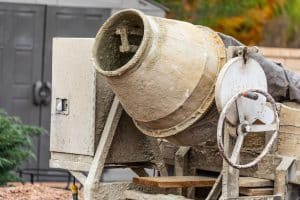
You don’t need specialized mixing equipment for PAV1 installation techniques, but using standard concrete mixers guarantees uniformity. Focus on precise water-cement ratios and curing processes to optimize performance. Careful handling during application further enhances the pavement’s durability.
Conclusion
You’ve seen how PAV1 concrete can revolutionize pavement durability with its advanced composition. Remarkably, pavements using PAV1 can last up to 20% longer than those made with traditional concrete, highlighting its superior performance. This longevity means fewer repairs and lower maintenance costs. When you consider its enhanced weather resistance and reduced permeability, it’s evident that PAV1 not only stands up to harsh environments but also supports sustainable urban infrastructure. Embrace the future of pavement technology with PAV1.